21 publishers challenge DPDP Act in Supreme Court
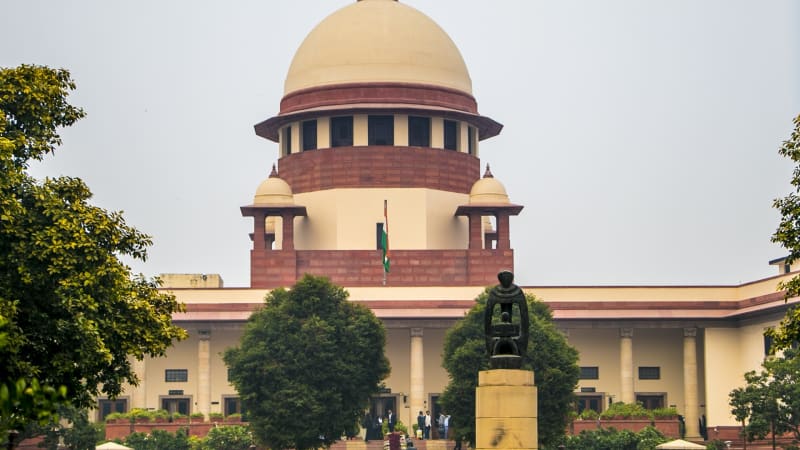
A 698-page petition landed in the Supreme Court on 6 October 2026. It was filed by the Digital News Publishers Association, and it carries the names of 21 publishers. The list includes Network18, NDTV, The Indian Express and Times Internet. The group includes companies owned by Mukesh Ambani and Gautam Adani.
The filing was first reported on 26 October 2026. Until now, only free-speech activists and a group of smaller news outlets had challenged the law. The publishers are asking the court to quash most of the contentious provisions. Those provisions kick in from May 2027.
What the publishers argue
The central argument is about a missing written protection. The publishers argue the DPDP Act has no specific written exemption or carve-out for journalistic activities. The DNPA filing contrasts this position with the European Union, Singapore and Britain, as set out in the DNPA filing, where journalism has such protection. The absence of a written carve-out, the publishers argue, leaves news work exposed to the general rules of the law.
The publishers say they raised the issue with the government before filing. Media companies received assurances in an August meeting with the government that the law would protect press freedom. DNPA says no written carve-out is alarming, despite those assurances. The DNPA, the media groups and the IT ministry had not responded to requests for comment at the time of reporting.
Why the consent and erasure rules matter for newsrooms
The publishers set out four linked concerns:
- A journalist could be required to get prior consent from a person they want to investigate.
- Informing the subject beforehand could let evidence be destroyed or witnesses be intimidated.
- The right to withdraw consent and seek erasure could lead to demands to remove or substantially alter already published factual reports.
- Powers to demand information could expose reporters' sources.
Taken together, the publishers argue, these rules could affect how an investigation is started, how it is reported, and whether a published report stays intact.
What the DPDP Act is
The DPDP Act 2023 is India's first dedicated data protection law. Major parts of the Act, plus the DPDP Rules 2025, were notified. The law gives individuals rights including consent withdrawal, access, correction, deletion and grievance redressal. The publishers' case does not ask the court to strike down every part of that framework. It seeks the quashing of most of the contentious provisions, as described in the filing.
What changed
Before this filing, the legal challenge to the law came from free-speech activists and a group of smaller news outlets. After the 6 October filing, 21 publishers, including some of India's largest news groups, are now before the court on the same broad question. That changes the scale of the challenge, not the law itself. No provision has been struck down. The court has not ruled on the publishers' arguments, and the contested provisions are still set to kick in from May 2027. What has changed is the forum and the timing: a hearing is now listed, and the dispute over a written journalistic exemption is now part of a Supreme Court case.
Who is affected and what to watch
Journalists and newsrooms are the most directly affected group in the publishers' argument, because the concerns centre on investigations, sources and published reports. People who are the subject of an investigation are also part of the dispute, since the law's consent and erasure rights are framed around the individual whose data is involved. Readers are affected indirectly: the publishers argue that already published factual reports could face demands for removal or substantial alteration.
No public action or deadline for readers is stated in the facts of this case. The dates to watch are the hearing and the start date for the contested provisions. Newsrooms, publishers and readers will learn more when the court hears the matter and when the court indicates how it intends to deal with the challenge.
Timeline
| Date | Event |
|---|---|
| 2023 | DPDP Act enacted as India's first dedicated data protection law |
| 2025 | DPDP Rules 2025 notified, along with major parts of the Act |
| August 2026 | Media companies receive assurances in a meeting with the government that the law would protect press freedom |
| 6 October 2026 | DNPA files a 698-page petition in the Supreme Court on behalf of 21 publishers |
| 26 October 2026 | The filing is first reported |
| 27 October 2026 | Matter listed for hearing |
| May 2027 | Contentious provisions kick in |
Glossary
- DPDP Act: India's 2023 data protection law.
- Data fiduciary: An entity that decides the purpose and means of processing personal data.
- Data principal: The individual to whom the personal data relates.
- Consent: Permission given by an individual for the processing of their personal data.
- Erasure: Removal or deletion of personal data on a valid request.
What happens next
The matter is listed for hearing on Tuesday 27 October 2026. That hearing is the next concrete step, and the court has not ruled on the case. What the court says, and whether it issues any interim direction, will shape how the challenge proceeds. The longer date in the case is May 2027, when the contentious provisions kick in. Until then, the central question remains the one the publishers have put before the court: whether journalism needs a specific written exemption in the law, and what happens to investigations, sources and published reports without one.
📷 Photo credit: Subhashish Panigrahi, Wikimedia Commons (CC BY-SA 4.0)
Questions people ask
- Which publishers are challenging the DPDP Act?
- The Digital News Publishers Association filed the petition on behalf of 21 publishers, including Network18, NDTV, The Indian Express and Times Internet. The group includes companies owned by Mukesh Ambani and Gautam Adani.
- What do the publishers want the Supreme Court to do?
- They seek the quashing of most of the contentious provisions of the DPDP Act.
- Why do the publishers say journalism needs a written exemption?
- They argue the Act has no specific written exemption or carve-out for journalistic activities, unlike the position described in the filing for the European Union, Singapore and Britain. They say consent, erasure and information-demand powers could affect investigations, sources and already published factual reports.
- When is the case being heard, and when do the contested provisions start?
- The matter is listed for hearing on Tuesday 27 October 2026. The contentious provisions kick in from May 2027.
- Has the Supreme Court decided the case?
- No. The court has not ruled on the publishers' arguments. The case is listed for hearing on 27 October 2026.
Sources
- Reuters report via WTBX (wtbx.com)
- BestMediaInfo summary (bestmediainfo.com)
- Whalesbook report (whalesbook.com)
Editorial Note: This explainer was researched using verified primary sources and official notifications, then independently fact-checked, reviewed, and finalized under human editorial guidance by the Gagariya desk.
Keep reading
technology · 26 Oct 2026
फ़र्ज़ी सरकारी वेबसाइट कैसे पहचानें: पूरी जाँच गाइड
असली जैसा दिखने वाला पोर्टल भी नकली हो सकता है। लिंक खोलने से पहले डोमेन, हड़बड़ी वाले दावे और OTP की माँग को परखें।

technology · 25 Oct 2026
OnePlus 15 gets ColorOS 17 early in India
ColorOS 17 has reached the OnePlus 15 in India ahead of schedule, replacing OxygenOS 16. Here is the build number, the download size, what is new, and when other OnePlus phones get it.

technology · 22 Oct 2026
PHP2Shell: two critical PHP flaws (CVSS 9.2) force emergency patches for millions of websites
PHP has shipped emergency patches for two critical PHP2Shell flaws (CVE-2026-109618, CVE-2026-109619, CVSS 9.2); roughly 70% of websites run PHP — patch now.
The day’s verified stories, one email, 7 am IST. No noise.