Macron bans weekend protests in Marseille and Lyon after France's worst unrest in years
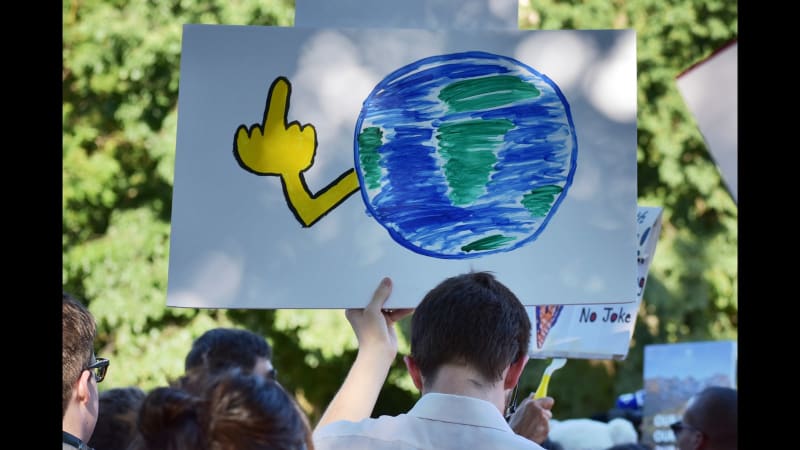
What Macron announced
On Thursday, President Emmanuel Macron said "illegitimate" protests would be banned in France in the coming days, blaming "seditious" ultra-left groups and vandals for last weekend's riots and looting, Reuters reported from Paris. He spoke after a meeting with intelligence chiefs and senior ministers.
"Last Saturday we had political and seditious acts by ultra-left groups whose aim is to bring down the Republic," Macron said, according to Reuters. Trade-union-organised demonstrations may still go ahead, but Macron said they could be rerouted to protect businesses.
Justice Minister Gerald Darmanin added two hard proposals, the same Reuters report said: suspending voting rights for people who defy protest bans, and restricting social-media access for those involved in violence, looting or attacks on police. These are proposals for now — not law — and Macron's team gave no timeline for when either could take effect.
Why the protests turned violent
The trouble traces back to October 17, when nationwide cost-of-living protests erupted over high living costs and declining public services. The French Interior Ministry put participation at around 550,000 people. What began as a broad demonstration turned violent in several cities, and the Los Angeles Weekly Times described it as France's worst unrest in years.
The economic backdrop is tense. Prime Minister Lecornu's government is seeking €54bn in fiscal savings in its 2027 budget — a figure that looms over the dispute about living standards, though gagariya's earlier report on the October 17 riots noted the protests were framed around living costs rather than the budget text itself. gagariya also reported on October 22 that the Indian embassy in France issued a safety advisory for Indians amid the unrest.
What happens this weekend
Authorities moved fast. All protests planned for Saturday have been banned in Marseille and Lyon, France's second and third largest cities, Reuters reported. The student union UNEF had called rallies for Saturday, and the Yellow Vest movement filed plans for a central Paris march.
The bans raise an obvious question: what counts as "illegitimate"? Macron's statement did not spell out a legal definition. What is clear is that the government draws a line between union-organised marches, which may proceed under rerouting conditions, and the kind of protests it links to last weekend's violence.
| Measure | Status |
|---|---|
| Saturday protests in Marseille and Lyon | Banned |
| "Illegitimate" protests in coming days | To be banned |
| Trade-union demonstrations | May go ahead, possibly rerouted |
| Voting-rights suspension for ban-defiers | Proposed by Justice Minister Darmanin |
| Social-media restrictions for violent offenders | Proposed by Darmanin |
| Student union (UNEF) Saturday rallies | Planned; bans apply by city |
| Yellow Vest central Paris march | Filed; under Macron's ban warning |
How Paris is preparing
Paris businesses have started boarding up shop windows ahead of the weekend, Reuters reported — wooden panels going up over storefronts on streets that saw damage last Saturday. The luxury house Hermès stepped up security at its French stores, and Art Basel Paris, the major art fair, closed for the entire weekend.
The measures show how seriously the business community takes the warning. Art Basel Paris is an international draw, and a full-weekend closure is the kind of decision organisers only make when they expect real disruption.
The key takeaways
- New development: Saturday bans in Marseille and Lyon are the first concrete enforcement step after Thursday's announcement.
- New proposals: Voting-rights suspension and social-media restrictions are proposals from the Justice Minister, not enacted law.
- Union marches survive — with conditions: Macron distinguished trade-union demonstrations from the protests he called seditious.
- Business impact is already real: Boarded windows, extra security at luxury stores, and a closed art fair show the cost is being felt before the weekend begins.
What the figures still don't settle
Readers deserve honesty here. Some outlets have cited around 2,400 arrests and roughly 1,000 injured police officers from last weekend; others report 2,000+ arrests and 600+ injured. Reuters' October 22 piece restates no figure at all. gagariya is not publishing a single number because no single number is agreed across sources.
A report of one protester death comes from a single weak source — we mark it UNKNOWN. Claims about specific businesses being targeted are similarly single-sourced and UNVERIFIED. Where facts disagree, this post records the disagreement instead of picking a side.
📷 फोटो: kellybdc, Wikimedia Commons (CC BY 2.0)
Questions people ask
- Q1. Why are people protesting in France right now?
- On October 17, nationwide protests erupted over high living costs and declining public services, with the Interior Ministry estimating around 550,000 participants, Reuters reported. The demonstrations turned violent in several cities. Prime Minister Lecornu's government is also seeking €54bn in fiscal savings in its 2027 budget, which adds to the tension around public services.
- Q2. What does Macron mean by an "illegitimate protest"?
- Macron used the word for the protests he called "political and seditious acts by ultra-left groups." His Thursday statement did not give a precise legal definition. What he made clear is that trade-union-organised demonstrations may still go ahead, possibly rerouted — so the ban targets the unrest-linked protests, not every march.
- Q3. Are Indians in France affected? What did the embassy say?
- gagariya reported on October 22 that the Indian embassy in France issued a safety advisory for Indian nationals amid the unrest. Anyone in France this weekend should follow the embassy's guidance and avoid protest areas.
- Q4. Can the French government really suspend someone's voting rights?
- Justice Minister Gerald Darmanin proposed suspending voting rights for people who defy protest bans, along with restricting social-media access for those involved in violence, looting or attacks on police, according to Reuters. These are proposals — they are not law yet, and no timeline for implementation was given.
- Q5. Why did Art Basel Paris close for the weekend?
- Art Basel Paris closed for the entire weekend amid the unrest, the Los Angeles Weekly Times noted. Paris businesses also began boarding up shop windows and Hermès stepped up security at French stores — signs that the commercial impact is already underway.
- Q6. What is the €54bn budget dispute?
- Prime Minister Lecornu's government is seeking €54bn in fiscal savings in its 2027 budget. The October 17 protests centred on living costs and declining public services, so the budget plans sit in the background of the dispute — though the protests were framed around costs of living, not the budget text itself.
Sources
Editorial Note: This explainer was researched using verified primary sources and official notifications, then independently fact-checked, reviewed, and finalized under human editorial guidance by the Gagariya desk.
Keep reading

india · 26 Oct 2026
अपर सुबनसिरी में बंद, डापोरिजो में सड़क जाम और वाहनों में आग
26 अक्टूबर को अपर सुबनसिरी में SUHEP के खिलाफ 12 घंटे का बंद; डापोरिजो में सड़क जाम और वाहनों में आग की खबरें। यह सियांग विरोध की अपडेट नहीं है।
india · 26 Oct 2026
खरगे से माफी की मांग, BJP का देशभर में विरोध
पटना की टिप्पणी पर भाजपा का देशभर में विरोध, बिना शर्त माफी की मांग; कांग्रेस ने बचाव किया।

india · 26 Oct 2026
Ladli Behna Yojana Installment: Check Status and Dates
Find out how to check your Ladli Behna Yojana installment status, eligibility criteria, and payment dates for beneficiaries in Madhya Pradesh.
The day’s verified stories, one email, 7 am IST. No noise.